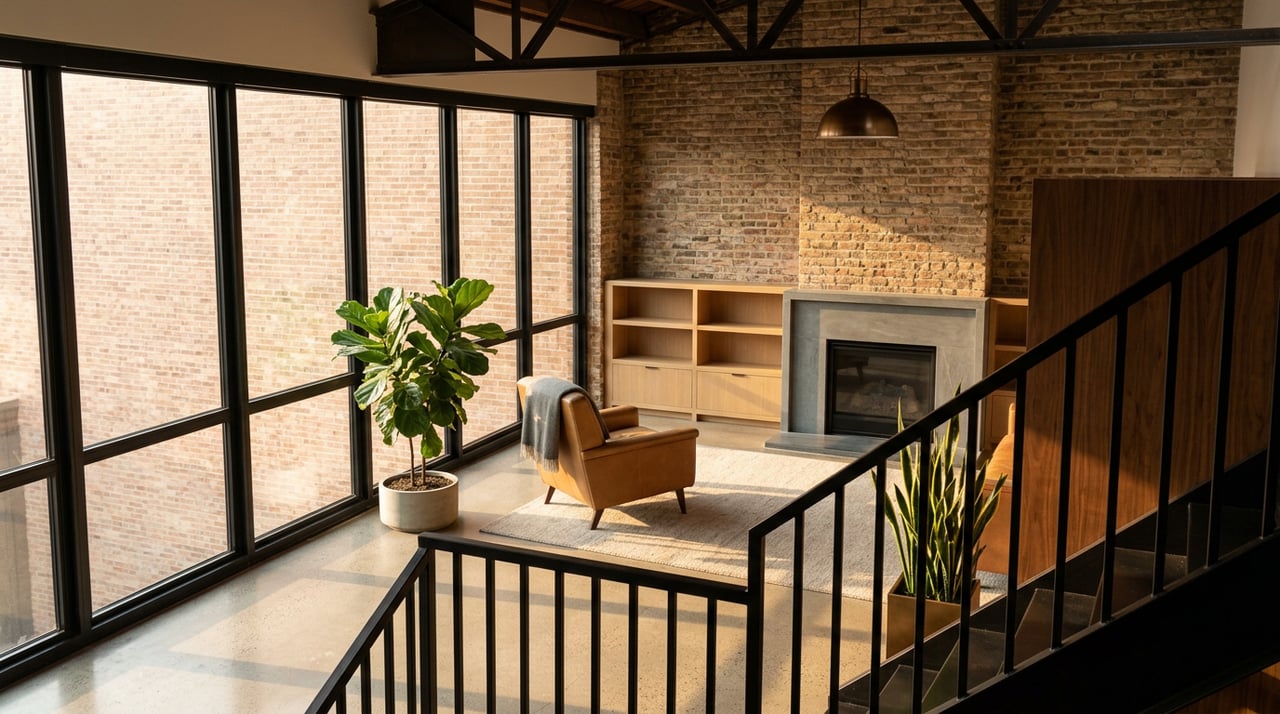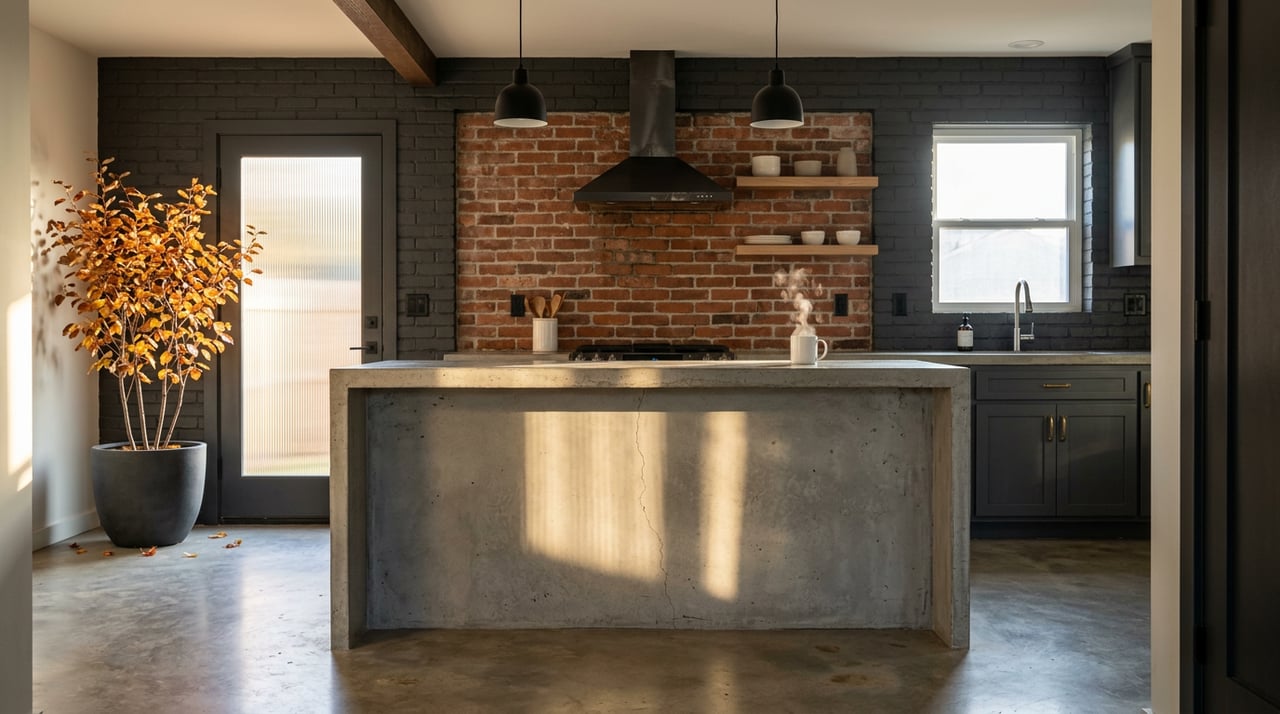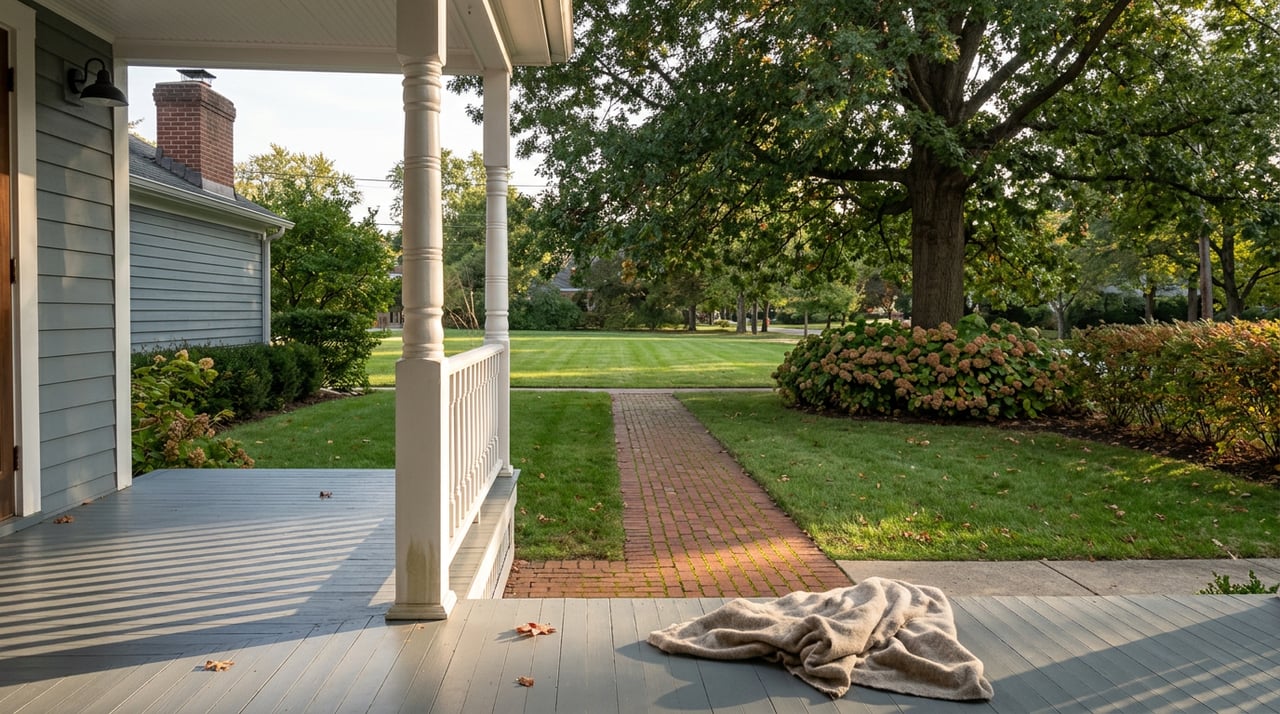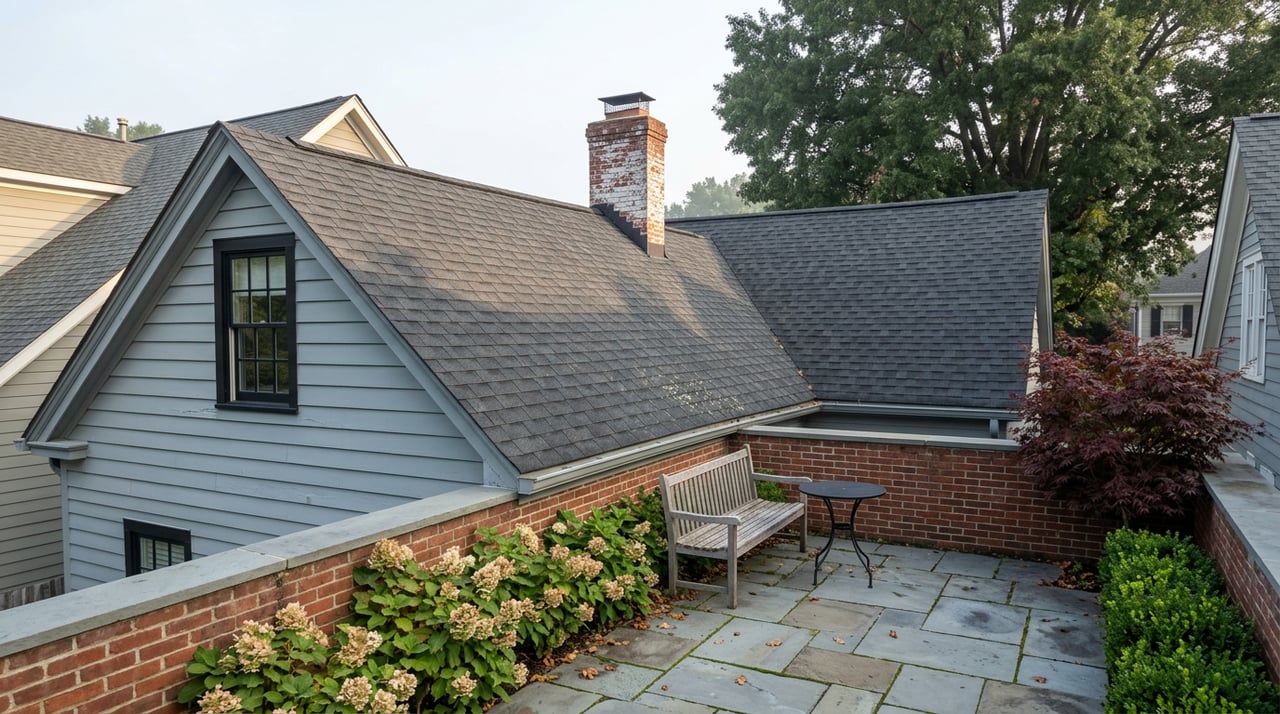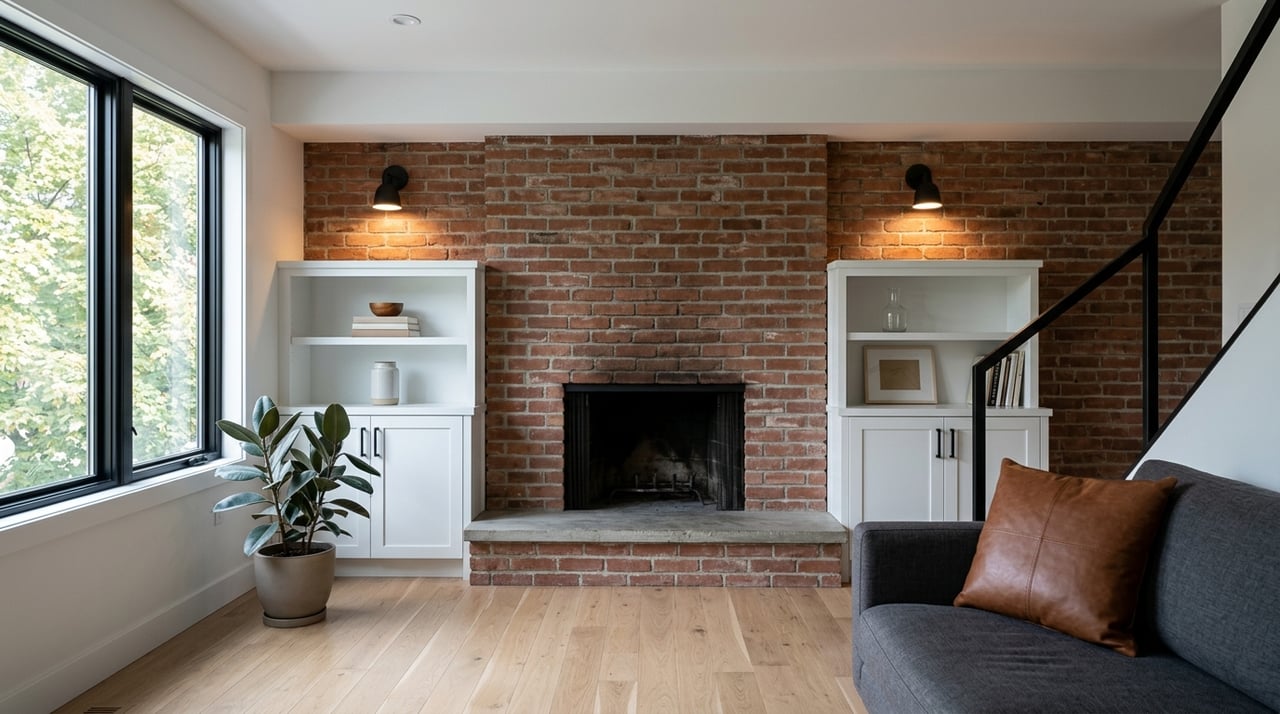
If you plan to sell in Blue Ash, timing and pricing matter more than ever. You are not just competing with other resale homes. You may also be competing with newer condo and townhome options, and with buyers who do most of their home search online before they ever book a showing. The good news is that with the right prep and a smart pricing plan, you can put your home in a stronger position from day one. Let’s dive in.
Why Blue Ash sellers need a plan
Blue Ash is an established suburban market with a mix of single-family homes, condos, townhomes, and patio homes. Much of the housing stock dates to the 1970s and later, with a median year built of 1971. That means many sellers are bringing well-kept but older homes to market in a city where buyers may also compare them to near-new options.
That comparison matters. City documents show that newer homes at Summit Park, including Arabella units, were described as starting around $600,000 for some three-story homes and reaching around $800,000 to $900,000 for some four-story units in the project pipeline through 2028, according to Blue Ash council meeting minutes. Even if your home is in a different price range, buyers still notice presentation, finishes, and perceived value.
What the Blue Ash market says now
Recent pricing data shows why sellers need to be precise. Redfin’s February 2026 market snapshot reported a median sale price of $382,500, homes selling in 43 days, and a 97.5% sale-to-list ratio, with 41.7% of homes selling above list price. At the same time, Redfin described the market as very competitive.
A second source tells a slightly different story. Zillow’s Home Value Index for Blue Ash put the average home value at $441,604 as of February 28, 2026, while the Census Bureau’s ACS estimate showed a median owner-occupied value of $403,200 in Blue Ash through the U.S. Census QuickFacts page. These numbers are not interchangeable, which is exactly why broad averages should not set your list price.
Start with the right selling timeline
If you want the best chance at a smooth sale, start preparing earlier than you think. The National Association of Realtors reported that the median homeowner stayed in a home for 11 years before selling, according to the 2025 Profile of Home Buyers and Sellers. After that many years, most homes benefit from at least some updates, repairs, or decluttering before they hit the market.
A 6 to 12 month runway can give you room to make smart decisions instead of rushed ones. It also helps you spread out expenses, schedule contractors if needed, and build a more polished listing launch.
A simple 6 to 12 month prep approach
- 6 to 12 months out: walk through your home with a critical eye, list deferred maintenance, and identify cosmetic updates with the best visual impact
- 3 to 6 months out: paint, flooring touch-ups, lighting swaps, exterior cleanup, and storage or donation plans for extra belongings
- 30 days out: deep clean, final decluttering, photography prep, and listing strategy
- Launch week: go live with strong visuals, accurate pricing, and a plan to respond quickly to activity
Focus on high-return updates
In Blue Ash, the strongest return is often in cosmetic improvements, not major renovations. That is a practical conclusion based on the city’s older housing base, the presence of newer competition, and what buyers say matters most in home presentation. If your kitchen or bath is dated but functional, you may not need a full remodel to compete well.
Instead, focus on the things that help your home feel clean, cared for, and move-in ready. For many sellers, that means fresh neutral paint, updated light fixtures, minor flooring repairs, clean windows, trimmed landscaping, and a more open room layout.
Best prep projects before listing
- Declutter every room and closet
- Complete a deep clean
- Touch up paint or repaint high-visibility spaces
- Replace outdated or dim light fixtures
- Repair small cosmetic issues buyers notice fast
- Refresh mulch, edging, and front entry details
- Minimize bulky furniture to improve flow
According to the 2025 NAR staging report, the most common seller prep priorities were decluttering, cleaning, and curb appeal. The same report found that agents most often said the living room, primary bedroom, and kitchen were the most important rooms to stage.
Treat your online listing like your first showing
Most buyers do not discover homes by driving around. They find them online. The NAR quick real estate statistics field guide shows that 51% of buyers found the home they purchased through the internet, compared with 29% through an agent and just 4% through a yard sign or open house sign. Only 3% said visiting open houses was their first step in the process.
That means your photos, video, and listing presentation do a huge amount of work before a buyer ever steps inside. In a digitally connected city like Blue Ash, where the Census reports high rates of computer ownership and broadband subscriptions, your online launch is your real first impression.
What buyers notice online
The NAR staging report found that buyers’ agents considered photos, physical staging, videos, and virtual tours highly important. The same report also found that 29% of agents saw staged homes receive a 1% to 10% higher offer, and 49% saw reduced time on market.
For your Blue Ash listing, that usually means:
- Professional photography
- Video or virtual-tour content when appropriate
- Bright, uncluttered rooms
- Clear exterior images
- A listing description that highlights real features, not fluff
Price by submarket, not by city average
One of the biggest pricing mistakes sellers make is anchoring on one citywide number. Blue Ash has a range of housing types and price points, so pricing should come from recent sold homes that actually compete with yours.
That means comparing your property to homes with a similar style, age, condition, size, and location within Blue Ash. An older ranch, a condo, a patio home, and a newer Summit Park townhome should not all be measured against the same benchmark.
What smart pricing looks like
A strong pricing strategy usually starts with recent sold comps in your submarket. From there, your price should adjust for updates, lot characteristics, layout, finish level, and overall condition. If buyers will see your home as a move-in-ready option, that can support a stronger price than a similar home that needs visible work.
You also need to account for current buyer behavior. With 41.7% of homes selling above list, underpricing is not automatically the wrong move, but it needs to be intentional. Overpricing, on the other hand, can cause your listing to lose momentum while newer or better-presented options pull attention away.
How to balance ambition and reality
It is natural to want top dollar, especially if you have invested time and money into your home. But today’s Blue Ash buyers are comparing options quickly, often on a screen, and they are sensitive to value. Pricing too high can make even a good home look stale.
A better goal is to price where the market sees the value right away. That can help generate stronger early interest, more showing activity, and a better chance of competitive offers while your listing still feels fresh.
Signs your home may need a pricing adjustment
Even a solid listing sometimes needs a course correction. If the first wave of interest does not match expectations, it is important to respond based on the market, not emotion.
Watch for these signs:
- Strong online views but very few showings
- Showings with no offers and repeated feedback about price
- Comparable homes going pending while yours sits
- Low activity after the first two weeks on market
Pricing adjustments work best when they happen quickly and strategically. Waiting too long can make buyers assume something is wrong, even when the issue is simply price.
Why local strategy matters in Blue Ash
Blue Ash has a stable homeowner base, a strong digital audience, and signs of relocation interest. Census data shows that 83.9% of residents lived in the same house a year earlier, and the city also benefits from regional employer activity and search interest from outside metros, based on Census Reporter data. That mix can create opportunity, but it also means your listing needs to speak to both local movers and buyers exploring the area from a distance.
When your prep, pricing, and marketing all line up, your home has a much better chance to stand out. In a market like Blue Ash, success often comes from doing the basics exceptionally well.
If you are thinking about selling in the next 6 to 12 months, Close to Home Consultants can help you build a plan around your timeline, your home’s condition, and the current Blue Ash market.
FAQs
How should you price a home in Blue Ash?
- You should price a Blue Ash home using recent sold comps that match your property’s type, condition, size, and submarket instead of relying on one citywide average.
What should you fix before selling a home in Blue Ash?
- Most Blue Ash sellers should focus first on high-visibility cosmetic improvements like decluttering, cleaning, paint touch-ups, lighting updates, flooring repairs, and curb appeal.
Do staged homes sell better in Blue Ash?
- NAR data shows staging can help homes sell faster and may improve offer strength, especially when paired with strong photos and a polished online listing.
How important are listing photos when selling a Blue Ash home?
- Listing photos are extremely important because most buyers begin their home search online, which makes your digital presentation your first impression.
How far in advance should you prepare to sell a Blue Ash home?
- A 6 to 12 month timeline can be helpful because it gives you time to handle repairs, declutter, improve presentation, and launch with a stronger pricing and marketing plan.