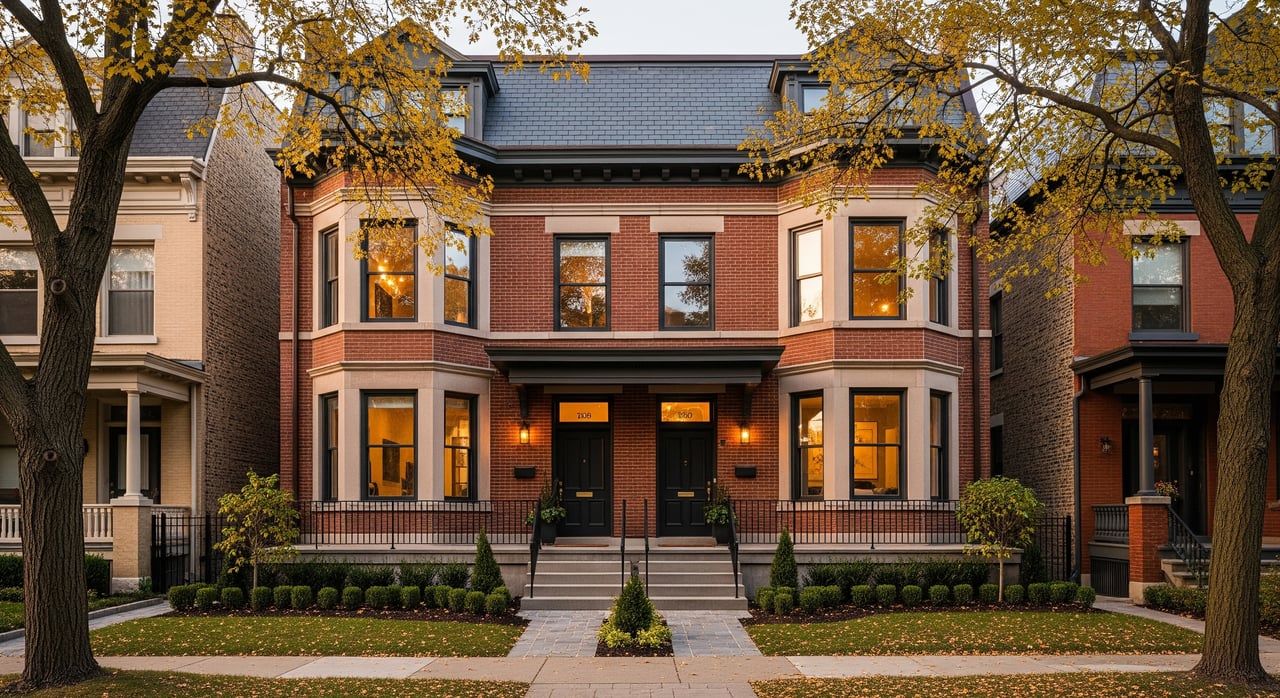
Thinking about living in one unit while a tenant helps pay your mortgage? If Norwood is on your radar, you’re already looking in the right place for accessible small multi-family options. Buying a duplex as an owner-occupant can be a smart path to build equity and offset housing costs, but the details matter. In this starter guide, you’ll learn how to research Norwood’s zoning, estimate rents, plan for rehab, compare financing, and set up listing alerts so you move fast on the right property. Let’s dive in.
Why Norwood works for house hackers
Norwood sits close to major Cincinnati job centers, which supports steady renter demand for well-kept units. You’ll find pockets of 2–4 unit properties, but availability changes quickly, so a system for real-time alerts is essential. To validate multi-family supply on specific blocks, lean on the City of Norwood Planning & Development, the Hamilton County Auditor’s parcel data, and the local MLS for inventory and recent sales.
Use these local sources to ground your search:
- City of Norwood Planning & Development and Zoning for permitted uses, zoning maps, and rental registration rules.
- Hamilton County Auditor for parcel records, historical sale prices, assessed values, and tax data.
- Local MLS for active and closed duplex/2–4 unit listings and days on market.
- U.S. Census Bureau’s American Community Survey to confirm renter share and vacancy trends.
Zoning basics and how to confirm legality
Before you fall in love with a property, confirm that the advertised unit count is legal and that the structure fits zoning rules.
Follow this quick process:
- Check zoning maps and the zoning code to see where 2–4 unit structures are allowed by-right or by permit.
- Confirm the legal unit count with the building department and auditor records.
- Ask about any landlord registration, rental licensing, or inspections required for ongoing compliance.
- If you plan a conversion, expect permits, plan review, and inspections for final occupancy.
Tip: Keep records of every call and document. You will reference them during underwriting, appraisal, and resale.
Prices and rents: how to get realistic ranges
List prices and rents shift month to month, so build your own up-to-date snapshot. Start with MLS data and current rental listings in Norwood, then validate with local property managers.
Use this step-by-step approach:
- Pull 6–12 months of MLS sales for “multi-family,” “duplex,” “triplex,” and “fourplex” in Norwood. Capture sale price, unit count, square footage, year built, condition, and days on market.
- For active listings, track list price, price changes, and how long the property sits.
- For rents, collect comparable unit data for 1–2 bedroom layouts from current local rental listings, then confirm with a nearby property manager.
- Check the Hamilton County Auditor for property taxes and any recent improvements that affect operating expenses.
- Cross-check your findings with local investor groups or managers for realism.
Key metrics to help you compare deals:
- Gross Rent Multiplier (GRM) = Purchase Price ÷ Annual Gross Rent. Lower is generally better when comparing similar properties.
- Cap rate = (Net Operating Income ÷ Purchase Price) × 100. Requires solid expense data to be meaningful.
- Cash-on-cash return = Annual pre-tax cash flow ÷ cash invested.
A simple example to frame the math:
- If a duplex lists for X dollars and each unit rents for Y per month, annual gross rent is Y × 12 × 2 units.
- Subtract a conservative vacancy allowance, property taxes, insurance, repairs, management (if used), and utilities that you pay.
- Compare the resulting NOI to the purchase price for a cap-rate estimate. Then layer in your loan terms to estimate cash flow.
Rehab and owner-occupant priorities
Older small multi-family buildings can be great house-hack candidates, but start with safety and code compliance. You want a property that is comfortable for you and durable for tenants.
Focus on these categories first:
- Systems and safety: electrical service capacity and panels, plumbing supply and sewer lateral, heating and cooling, roof, flashing, and exterior water control. Address moisture and mold sources, not just symptoms.
- Code compliance: egress, smoke and CO detectors, fire separation where applicable, and separate utility meters or submetering if you plan to bill tenants directly.
- Lead-based paint and asbestos: for pre-1978 buildings, use lead-safe practices and certified pros when required.
- Layout and privacy: confirm legal unit count, functional floor plans, separate entrances where possible, and clear parking allocation.
Upgrades that often improve rent potential:
- Kitchens and baths with durable finishes; thoughtful lighting and fixtures.
- Flooring and paint with resilient materials.
- Laundry access, either in-unit or a shared, secure area.
- Energy efficiency basics like weather sealing and programmable thermostats.
Owner-occupant tips:
- Plan work in phases to maintain habitability and meet tenant notice requirements.
- Pull permits for systems work. Unpermitted work creates appraisal, insurance, and resale risk.
- Get multiple bids from contractors experienced with multi-family projects.
- Keep detailed records of improvements for future financing, insurance, and tax planning. Consider speaking with a tax advisor about depreciation on the rental portion.
Financing your 2–4 unit purchase
Owner-occupant financing for duplexes and up to 4 units is widely available, but guidelines vary by program and lender. Start lender conversations early and compare at least two options.
Common paths to ask about:
- FHA: Allows 1–4 unit owner-occupied purchases, often with a low down payment. You must occupy a unit as your primary residence within a set timeframe and carry mortgage insurance. FHA 203(k) can roll eligible renovation costs into your loan.
- Conventional: Some lenders offer owner-occupied conventional loans for 2–4 units with different down payments and reserve requirements than single-family loans. Ask about using a portion of other units’ market rents to help qualify.
- VA (if eligible): Can finance 1–4 units with occupancy of one unit by the veteran, often with minimal or no down payment. Confirm specifics with a VA lender.
- Portfolio and credit union loans: Local lenders may underwrite flexible owner-occupied multi-family or rehab products.
- Renovation loans: FHA 203(k) and Fannie Mae-style renovation products can help fund repairs. Compare scopes, contractor rules, and draw processes.
What to verify with each lender:
- Down payment, mortgage insurance, and interest rate ranges for 2–4 units.
- Reserve requirements and whether projected rents can offset your payment.
- Occupancy requirements and timelines.
- Property eligibility and appraisal expectations, especially for properties needing work.
How to source deals and set alerts fast
Speed matters in a tight small multi-family market. Set up a search system that notifies you the moment something fits.
Do this first:
- Work with your agent to create a saved MLS search filtered for “multi-family,” “duplex,” “triplex,” and “fourplex,” plus price and size parameters. Turn on instant alerts for new listings, price changes, and “back on market.” MLS alerts are typically the fastest and most accurate.
- On consumer sites, save searches with keywords like “duplex,” “2 unit,” and “multi-family,” then enable instant notifications. Expect some noise and duplicates.
For extra deal flow:
- Track owner-occupied vs. absentee ownership via the Hamilton County Auditor to identify potential off-market opportunities.
- Consider respectful outreach to absentee owners and connect with local investor groups and property managers.
- Learn local auction and foreclosure rules if you explore distressed inventory. Understand risks and inspection limits.
Before you write an offer, run this due-diligence checklist:
- Confirm legal unit count with the city and auditor records.
- Review permit history and any recent code enforcement.
- Get a multi-family focused home inspection.
- Request rent rolls, leases, and security-deposit details for income verification.
- Verify parking, occupancy limits, and zoning compliance.
A simple 90-day plan
- Weeks 1–2: Speak with two lenders, gather documents, and get pre-approved. Confirm whether rental income can help your qualification. Start your zoning and rental research.
- Weeks 3–4: Set MLS alerts and touring criteria. Decide your must-haves for unit layout, parking, and condition.
- Weeks 5–8: Tour properties and run numbers using GRM, cap rate, and cash-on-cash. Price contractor repairs. Write targeted offers with realistic timelines.
- Weeks 9–12: Complete inspections, appraisal, and loan underwriting. Finalize insurance and start planning any immediate safety repairs before move-in.
Ready to run the numbers together?
If you want a Norwood duplex plan tailored to your budget and timeline, our team can help you set up MLS alerts, connect with lenders, and spot red flags before you commit. Reach out to Close to Home Consultants for local guidance from search to closing.
FAQs
Can I use an FHA loan for a Norwood duplex?
- Yes. FHA allows owner-occupants to buy 1–4 unit properties if you intend to live in one unit and meet program guidelines. Confirm the latest terms with a lender.
How do I confirm a duplex is legal in Norwood?
- Check the City of Norwood zoning maps and code, verify the unit count with the building department and auditor records, and review any required rental registration.
Can projected rent help me qualify for the mortgage?
- Many programs allow a portion of other units’ market rent to offset your payment. Lender rules vary, so bring conservative rent comps and ask about reserve requirements.
What rehab issues are common in older small multi-family?
- Expect to evaluate electrical capacity, plumbing supply and sewer lines, HVAC, roof and moisture control, and potential lead-based paint or asbestos in pre-1978 buildings.
Do I need permits to convert a single-family to two units?
- Most conversions require permits, plan review, and inspections, and may trigger upgrades for egress, fire separation, and systems. Confirm requirements with Planning & Development.
How do I get fast alerts for Norwood duplex listings?
- Have your agent set up an MLS saved search with instant notifications for multi-family keywords and status changes. Supplement with consumer-site alerts for coverage.