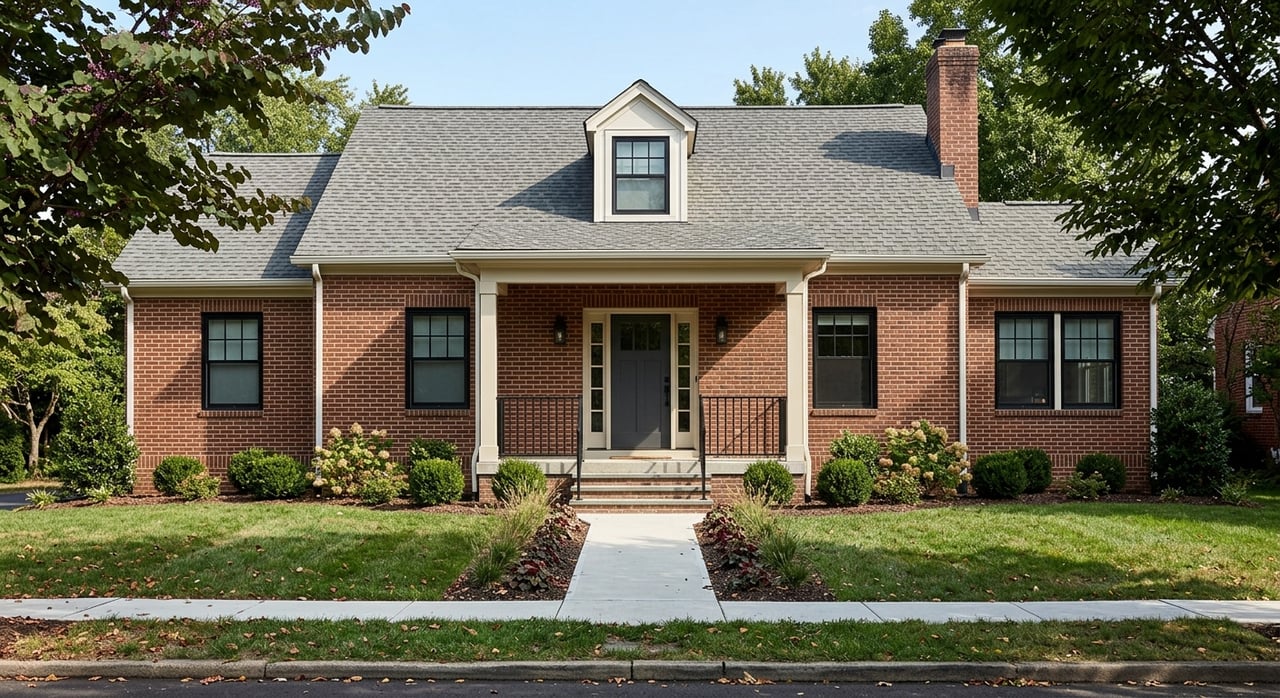
Trying to choose between Hyde Park and Mt. Lookout? You are not alone. Both are well-known east-side Cincinnati neighborhoods with older homes, strong local identity, and easy access to downtown, but they offer different day-to-day experiences. If you are weighing walkability, home prices, green space, or the overall feel of the neighborhood, this guide will help you compare the two and narrow in on the best fit for your next move. Let’s dive in.
Hyde Park and Mt. Lookout at a Glance
Hyde Park and Mt. Lookout sit close to each other, but they do not live exactly the same. City planning materials describe Hyde Park as the larger neighborhood with a stronger retail core centered on Hyde Park Square. Mt. Lookout is smaller and is described as a low-density, mostly single-family neighborhood on an eastern hill.
That difference shapes a lot of what buyers notice first. Hyde Park often feels more activity-focused and walkable around its commercial center. Mt. Lookout often feels more residential and park-oriented, with a quieter street pattern in many areas.
Compare Housing Style and Neighborhood Character
Both neighborhoods are known for older housing and classic Cincinnati character. Historic conservation materials identify both Hyde Park and Mt. Lookout as places with many Tudor Revival homes, which helps explain the traditional architecture buyers often expect here.
In Hyde Park, the housing stock is older and somewhat more mixed. The city’s 2026 plan says about 53% of housing was built before 1940, and city data shows 42.0% of housing units are renter-occupied. That mix can create a broader range of housing types and living arrangements within the neighborhood.
Mt. Lookout also has older homes, but the housing pattern leans more heavily toward owner-occupied, single-family living. City data says 79.13% of houses were built before 1960, and only 17.6% of housing units are renter-occupied. If you are looking for a neighborhood that feels more consistently single-family, Mt. Lookout may stand out.
Compare Home Prices and Market Pace
Price is often one of the biggest deciding factors, and right now there is a noticeable gap between these two neighborhoods. Zillow data in the research report puts the average Hyde Park home value at $588,230, up 4.3% over the past year. Homes there are going pending in about 3 days, with 45 active listings.
For Mt. Lookout, Zillow shows an average home value of $725,735, up 5.0% year over year, with 17 active listings and a median list price of $594,800. On Zillow’s current index, Mt. Lookout’s typical home value is about $137,505 higher than Hyde Park’s.
That makes Hyde Park the lower current entry point of the two, while still placing you in a premium east-side market. Mt. Lookout carries a higher neighborhood premium, which may matter if your search is tightly budgeted or if you want more flexibility in your options.
Supply has also been tight in both places. The Cincinnati Regional Chamber reports that Hyde Park housing units fell slightly from 2010 to 2020, while Mt. Lookout added only 26 units over that stretch. In practical terms, that limited supply can keep competition strong when well-positioned homes hit the market.
Compare Long-Term Value Trends
Both neighborhoods have seen meaningful appreciation over time. From 2010 to 2023, the Cincinnati Regional Chamber reports that Hyde Park’s typical home value rose 68.2%, while Mt. Lookout’s rose 53.5%.
Those figures show that both neighborhoods have held strong appeal over the long term. Mt. Lookout had the highest typical home value of any Cincinnati neighborhood in that report, while Hyde Park ranked among the city’s biggest gainers. If you are thinking about long-term value, either neighborhood has a strong track record based on the research provided.
Hyde Park for Walkability and Retail
If you want your routine to include more short trips on foot, Hyde Park may be the better match. Hyde Park Square describes itself as a historic, walkable destination with more than 100 local businesses, including shops, restaurants, cafés, and recurring events.
The Square also includes the Kilgour Fountain and a central park feel that gives the district a strong neighborhood hub. For many buyers, that means easier access to dining, coffee, errands, and local events without needing to drive for every outing.
City profile data also supports that more urban daily pattern. Hyde Park is rated from low to high walkability depending on the area, with 10.1% of land in parks and greenspaces and 30.4% tree canopy cover. In short, Hyde Park often fits buyers who want a more retail-dense environment while staying close in.
Mt. Lookout for Green Space and Quieter Streets
If your priority is a more residential setting with stronger access to green space, Mt. Lookout may feel like a better fit. The city profile shows 27.6% of land in parks and greenspaces and 43.9% tree canopy cover, both notably higher than Hyde Park.
Ault Park is a major part of that appeal. Cincinnati Parks identifies it as a Mt. Lookout park with picnic facilities, nature trails, children’s play areas, and lookout points. That kind of nearby outdoor space can shape your weekend routine and the overall feel of living there.
Mt. Lookout’s community life also centers on its square, but it reads as more residential overall. The community council highlights square beautification and recurring events like Luminaria and the Fall Festival, which add neighborhood identity without changing its lower-density character.
Schools and Day-to-Day Practicality
For school assignment, Cincinnati Public Schools assigns neighborhood schools by home address and also offers magnet choices. Hyde Park School is a CPS neighborhood school, and Kilgour School is a K-6 neighborhood school and community anchor in Mt. Lookout.
Hyde Park Square also lists Hyde Park School, St. Mary School, and Knox Preschool on the square, which adds to the activity around Hyde Park’s center. CPS also describes both Mt. Lookout and Hyde Park as close-in communities with green spaces, parks, shops, restaurants, and turn-of-the-century homes less than five miles from downtown.
That means your decision may come down less to broad location and more to how you want daily life to feel. Both neighborhoods offer proximity, established housing, and access to amenities. The better fit often comes down to pace, setting, and budget.
How to Choose Between Hyde Park and Mt. Lookout
If you are still deciding, try framing the choice around your top three priorities. Most buyers narrow it down faster when they compare lifestyle tradeoffs instead of trying to find a perfect match.
Here is a simple way to think about it:
- Choose Hyde Park if you want a more walkable, retail-focused environment and a lower current entry point than Mt. Lookout.
- Choose Mt. Lookout if you want a more residential, low-density feel with more parkland and are comfortable with a higher current price level.
- Consider both if you want classic east-side architecture, close-in convenience, and a neighborhood with strong long-term demand.
For move-up buyers and relocators, the practical shortlist often comes down to this: Hyde Park offers faster access to retail and dining, while Mt. Lookout offers greener surroundings, quieter streets, and a stronger single-family feel.
Final Thoughts on Your Next Home
There is no one-size-fits-all winner between Hyde Park and Mt. Lookout. The right choice depends on whether you picture yourself walking to cafés and shops more often, or heading out to trails, park space, and quieter blocks at the end of the day.
If you want help comparing available homes, pricing, and the feel of each neighborhood block by block, working with a local team can make the decision much clearer. Reach out to Close to Home Consultants for guidance tailored to your move.
FAQs
What is the main difference between Hyde Park and Mt. Lookout?
- Hyde Park is generally more retail-dense and walkable around Hyde Park Square, while Mt. Lookout is generally more residential, lower-density, and greener.
Are home prices higher in Hyde Park or Mt. Lookout?
- Based on the research report, Mt. Lookout currently has the higher typical home value, at about $725,735 compared with Hyde Park at about $588,230.
Which neighborhood has more green space, Hyde Park or Mt. Lookout?
- Mt. Lookout has more land in parks and greenspaces according to the city profile, with 27.6% compared with Hyde Park’s 10.1%.
Is Hyde Park or Mt. Lookout more walkable for daily errands?
- Hyde Park is typically the more walkable option for daily errands and dining because of the concentration of businesses around Hyde Park Square.
Do Hyde Park and Mt. Lookout both have older homes?
- Yes. Both neighborhoods have older housing stock and are known for traditional architectural character, including many Tudor Revival homes.
Are Hyde Park and Mt. Lookout close to downtown Cincinnati?
- Yes. Cincinnati Public Schools describes both neighborhoods as close-in communities that are less than five miles from downtown.